On the Crone's growl, her kitchen table, and the season of letting go that finds us long before grey hair
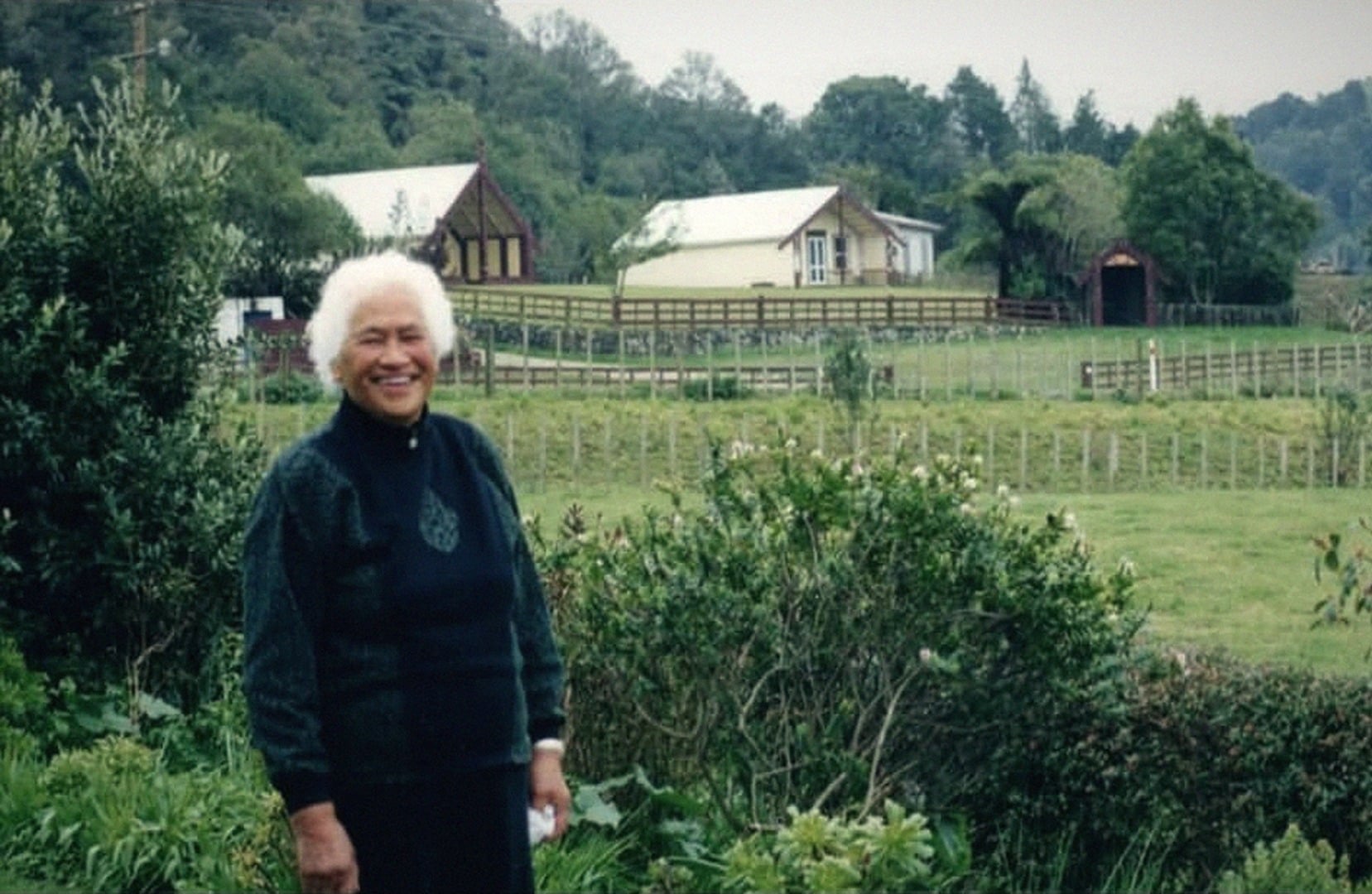
I was in the bath the first time she came. Eyes closed, mid-meditation, and suddenly there was a face hovering above me. Moon eyes. White fluffy hair. A smile that knew something I didn't.
It was my Nana Miriama, my koro's (grandfather's) mum. I'd met her maybe twice as a child. By then her memory was already slipping, and she barely said a word. I was young and didn't know how to be around old people, so mostly I kept my distance.
Yet here she was, years after her passing, and she has walked beside me ever since. She isn't always gentle about it. Once she turned up waving a patu (a short hand club) at me: "Faaaa, stop your whining and get to mahi (work), my moko (grandchild)."
That's the Crone. She doesn't need you to remember her. She remembers you.
Her shadow
The Crone's shadow is heavy, because she has often carried it for a long time.
- Bitterness towards the living. Disdain for the young, resentment for anyone who didn't do it her way. She's the nana who tuts at how young mums do things now, the elder who guards what she knows instead of passing it on, the woman who has been let down so many times she decides the world owes her. Underneath, bitterness is often old grief that never got its cup of tea. Nobody sat with it and asked if there was anything else, so it hardened.
- Impatience with other people's pace. I know this one well. I process things fast; I've been told more than once that I work through things like a computer. Not long ago I came out of a deep session frustrated with someone I love for moving slower than me. I shut down and stayed cranky for days. Then I remembered how patiently I'd let one of my sons learn at his own pace. I softened, and I had to humble myself. How fast someone else walks is simply not my business.
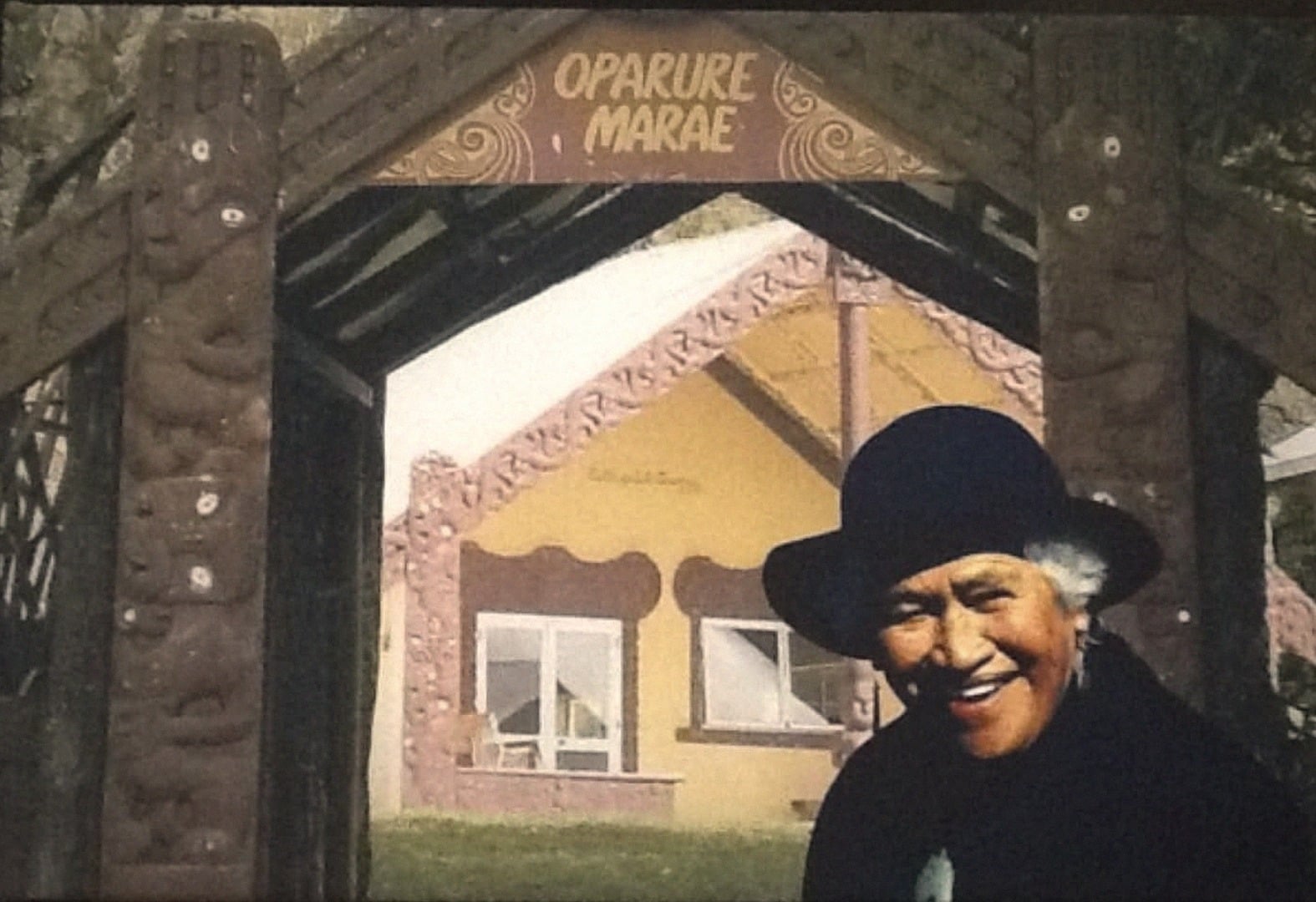
- A world that throws her away. Our culture tells women they're worth less once they're older, and plenty of us quietly believe it. We dye away the grey, laugh at "old ladies", and tuck our elders out of sight. As a kid visiting the aged care home with Mum, I saw how the residents lit up when someone simply sat with them. In te ao Māori (the Māori world), it's the kuia (elder women) who raise the karanga, the call that welcomes people onto the marae. Their voices go first. Somewhere along the way, the wider world forgot to give its old women that place.
- Fear of the end. For me, it's losing my memories. It's half the reason I take so many photos. And now, with a baby in my arms again, it's something heavier. Some nights I lie awake terrified of losing my babies, my mind painting pictures I can't unsee. Right behind that fear comes another: that somehow I failed them. And under it all sits the fear of leaving my little ones before they're grown, with no one to protect them the way I would.
Here's what softened that last fear. I have almost no memories of Nana Miriama, yet our bond is one of the strongest I have. It never needed shared memories. It came through spirit, through my aunty's stories, through the weaving. Nana Miriama is still mothering her line from the other side. The Crone's care doesn't end when her body does.
The holy powers calling beneath
When I sat down to ask who the Crone is for me, I realised she had already shown me four faces, each one in a real woman.
The Hag
My nana lived on dry acreage out at Esk. She was a nurse, and a no-nonsense nana. But she gave my cousin Sam and me whole holidays of country to roam: climbing ant hills, playing Charlie's Angels in the paddocks. The Hag isn't soft, and she isn't meant to be. She gives you ground to grow wild on.
The Wild One
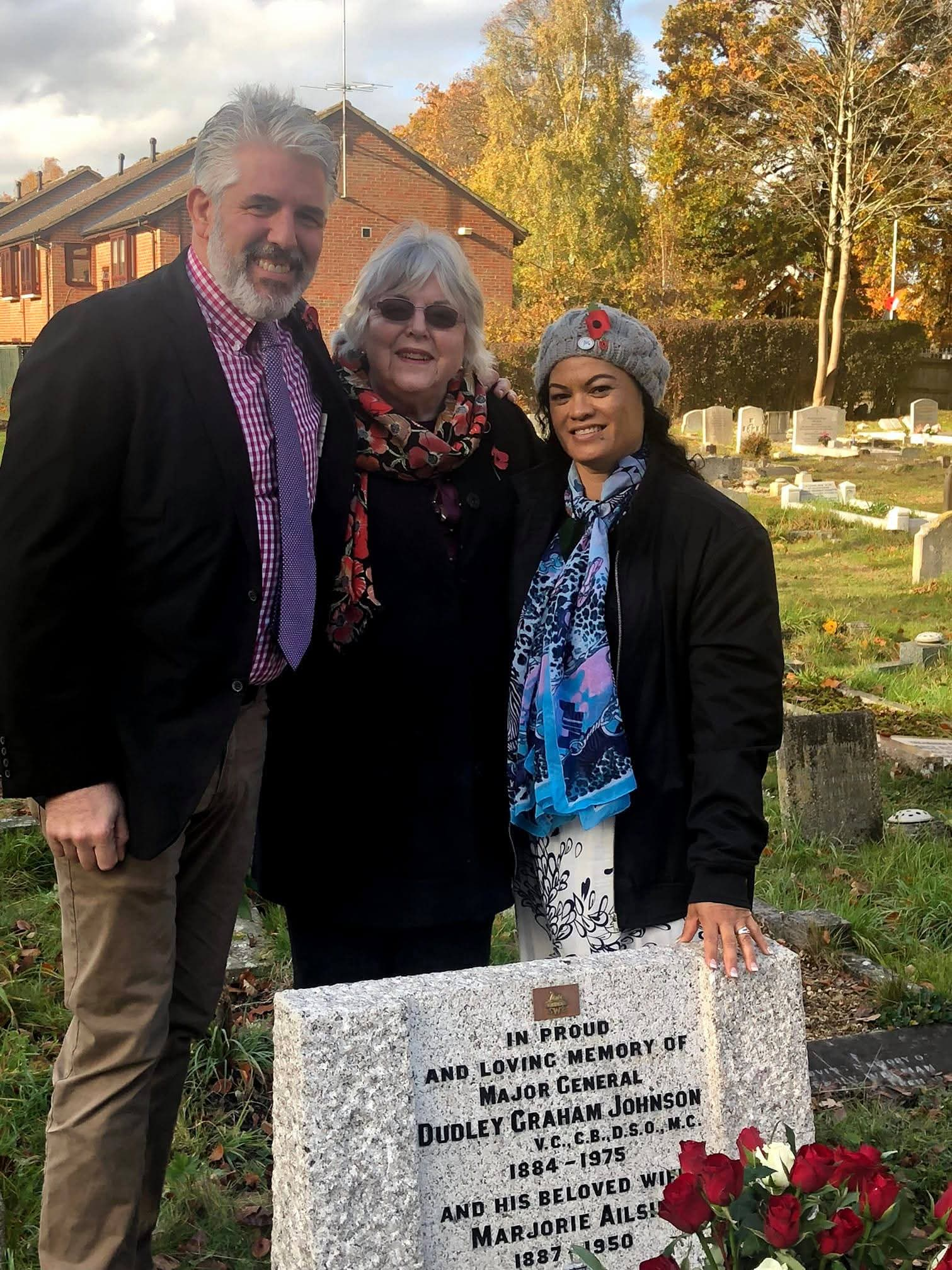
On my dad's side there's Goggy, my great-great-grandmother Marjorie Johnson. When her husband Gubby was wounded at war, the family story goes that she took on a false name and slipped onto trains to reach him and nurse him. I get chills every time I think of it.
When the Crone comes through me, in client work or when I sit to channel her, she's wild like that too. A cackle, a bit of banter, completely unbothered by what anyone thinks. She's been around long enough. Her skin is thick. Your hurt feelings are not her problem.
The Teacher
Nana Miriama raised twenty children, some born to her and some whāngai (taken in and raised as her own). She was one of the Ōpārure weavers and deeply respected in her community. When I asked my Aunty Miri what she was like as a mother, she laughed. She ran a tight ship, she bloody had to. But everybody had a role, whether it was the butter, the milking, the planting or tending the harakeke (flax). The Teacher builds a world where everyone contributes.
The One Closest to the Veil
When I was small, Mum volunteered at an aged care home and took us kids along. One old woman frightened me. She came up, took hold of my elbow and said, "Ooh, you're going to be a healer." I've never forgotten it.
Both of the women who stood closest to the veil for me had lost their memories. The world might say they'd lost their minds. I met them as the ones who could see furthest.
The kettle or the patu?
So which does the Crone offer: the cup of tea or the growl?
Aunty Miri told me something about Nana Miriama that I hold close. When people came to her carrying their mamae (pain, hurt), she sat them at her kitchen table, put the kettle on and fixed them a hot drink. Then she listened. Whenever they stopped talking, she'd ask, "Is there anything else you wanted to say?" No advice. No fixing. Just the tea and the listening.
And yet the same Crone waves a patu at me when I'm dodging.
My teacher, Dr Ricci-Jane Adams, likes to say we get five minutes of self-pity before it's time to get over ourselves. I joke that my five minutes is more like five business days. But I've learned that when I let myself feel all of it, I move quickly afterwards.
The tea always comes first. The patu only works on someone who has already been heard. And the Crone's real line has nothing to do with pace. It's willingness. Willing and slow? You get the tea. Willing and dodging? You get the growl. Not willing at all? She won't waste her breath. As a teacher, that's all I ask of my students too. Not speed. Willingness.
Honouring the Crones in my life
The Crone isn't only in the old stories or on the other side of the veil. Some of mine are still here, and I want to honour them while I can.
GG, my Granny Moo
When the Queen died, I watched people across the UK line the streets and gather at her gates. Something seemed to switch on in them, compelling them to be as close to her as they could.
At the same time, in the circles I move in, I saw so much mockery of her online. It sat badly with me. Whatever colonial weight she had inherited, she was still a woman and still a human being. If we mock someone in their death, how far have we drifted from our own humanity? I wrote about it, and in doing so named myself as a bridge between my two lineages.
From that moment, I was drawn to understand my English lineage. I was curious about what had switched on in all those people, calling them to her gates. And for the first time, I truly discovered who my GG is.
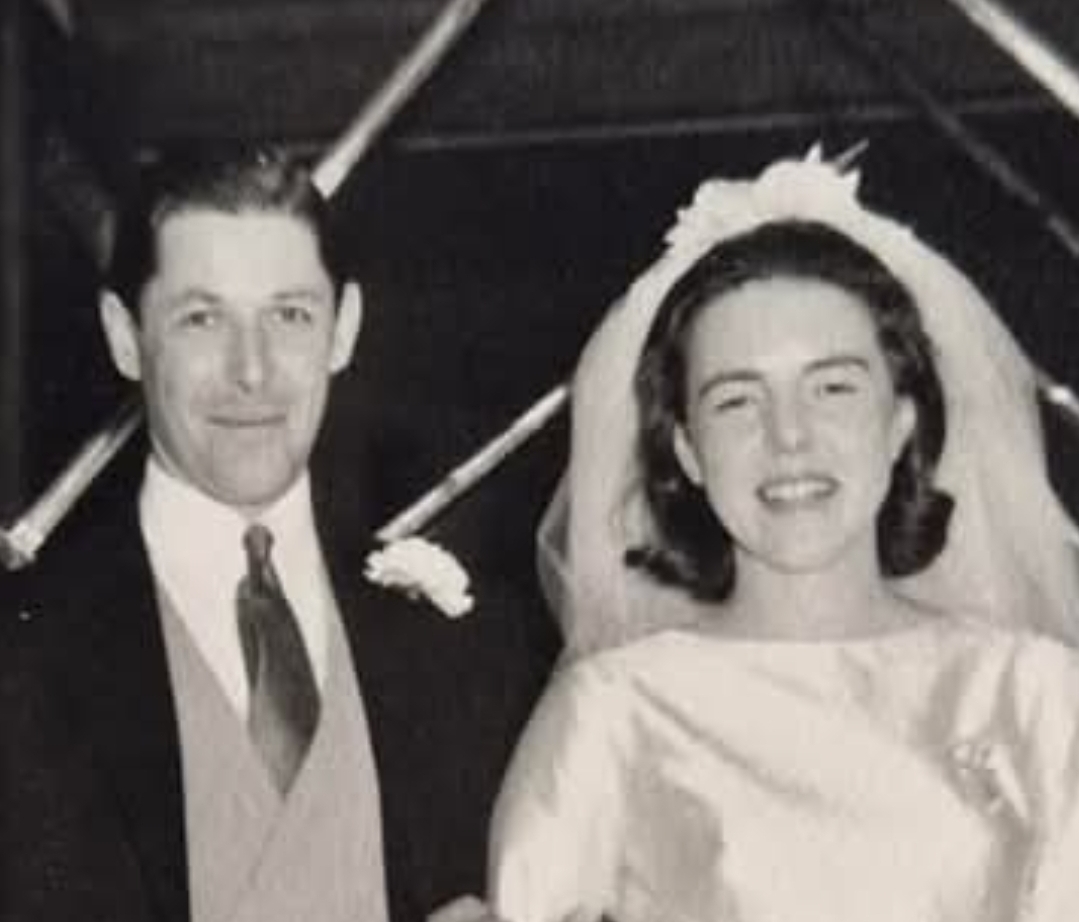
What I found was a fierce advocate for community. My Grandpa Tino had a long military career, and GG was a devoted military wife who gave much of her life to caring for the other wives. She fed them and organised spaces where they could hold each other. In her Crone years, she and Grandpa Tino gave their time to Help for Heroes, a charity supporting service people and their families. From the other side of the world, she has been a constant source of love and support for my children and me.
GG has been living with cancer for many years now. I find myself holding on to every moment we still have with her, and the tears are rising even as I write this. I'm told I've inherited her flair for melodrama and her moodiness. I'm genuinely proud of that, and grateful.
Nana
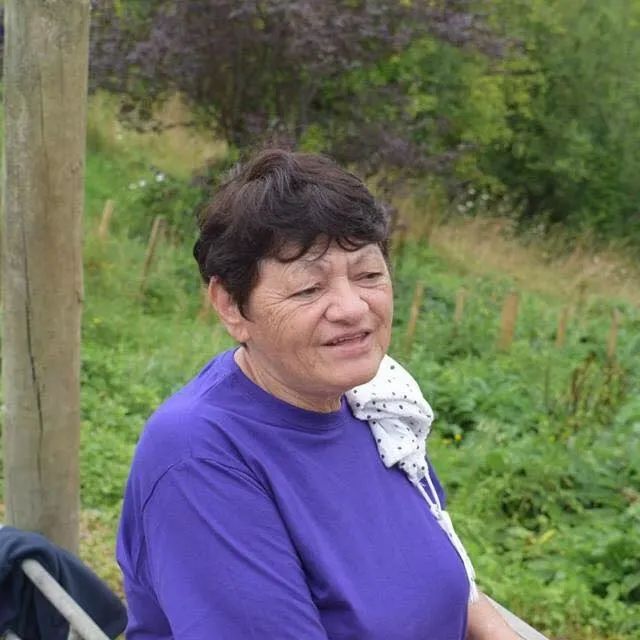
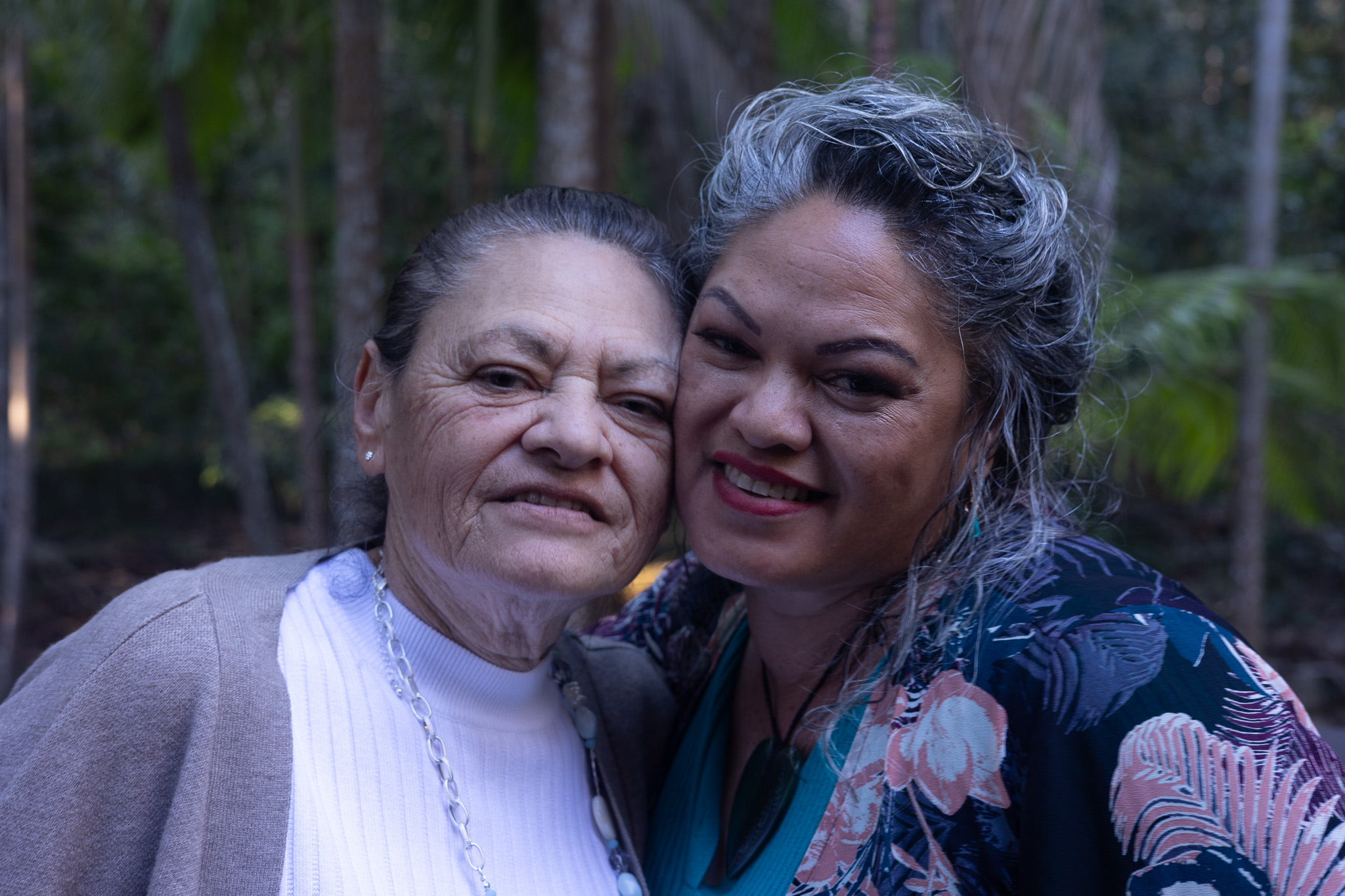
My mum's mum has always been fierce, and at times a little scary. Like my own mum, she took a big role in caring for my cousins and me, usually with a few of us in tow at once. In true kuia (elder woman) style, she was hard, but she was also hilarious and cheeky. She'd make us laugh by poking out her false teeth, and we'd find them in the strangest places, like perched on top of the old box TV.
She's always had a wanderer's spirit. Beyond the homestead at Esk, she travelled often. She was a nurse who loved caring for people, loved a good yarn, and loved watching us get up to mischief on her land. Once my cousin Sam raided the veggie patch and came screaming into the house with chilli in her eyes. Nana rinsed her down, cackling the whole time, and I was cackling right beside her.
To this day, Nana will give me a growl if she doesn't approve of something I've posted online, and I don't mind one bit. She has always been upfront and direct, a trait I've inherited and am devoted to keeping. She has also worked hard to make amends with my mum for the hurt she caused without knowing, from her own wounded Maiden and Mother in survival. I remember that shift well. It felt like an opening in the cosmos.

Meema, my mum
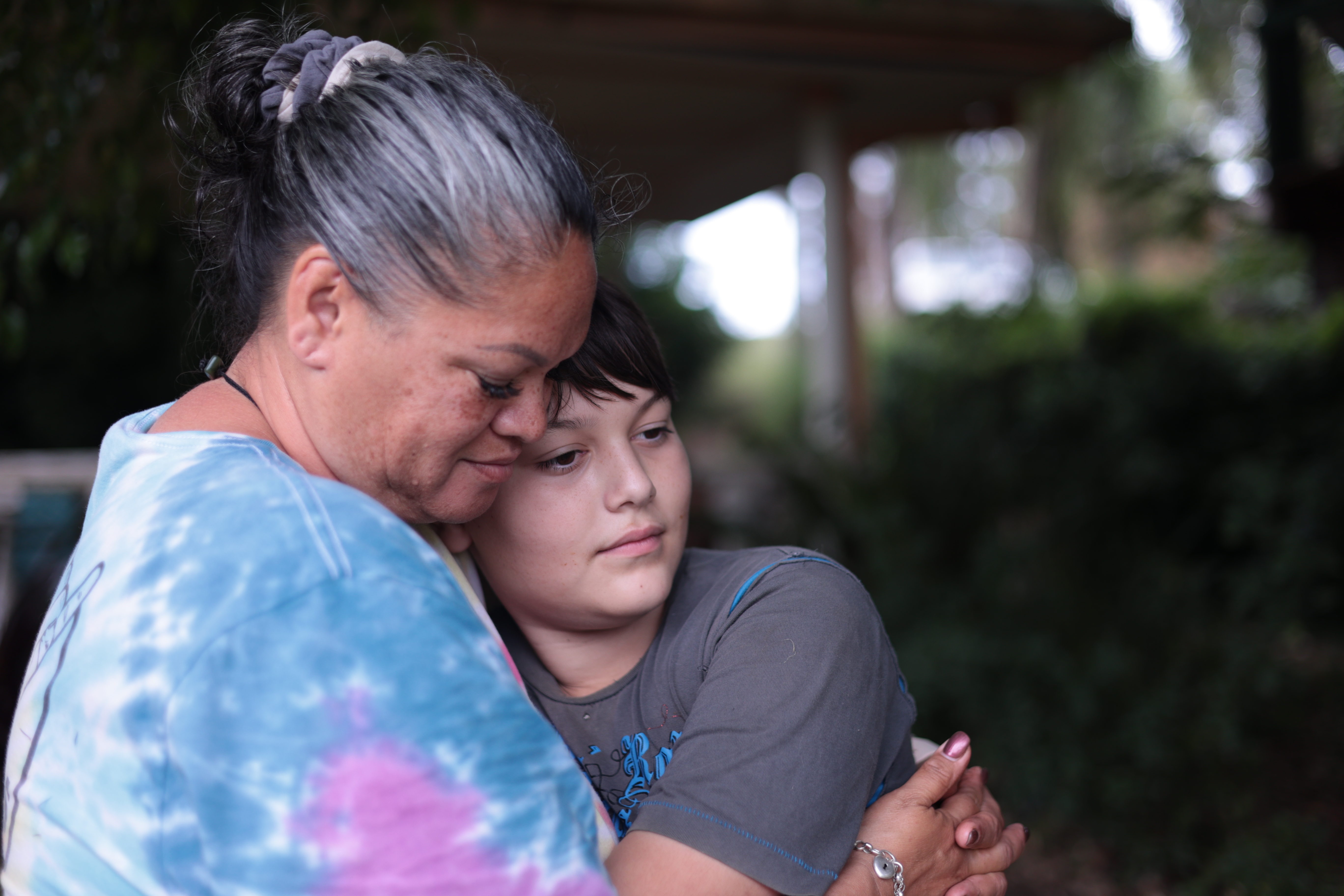
Mum's wounded Maiden may have made her Mother years hard, but watching her become Meema to nine mokopuna (grandchildren) has been a true gift. She's present, nurturing, playful and creative. While I was raising my four older children and working 60-hour weeks, Mum was a rock for my babies, alongside my dad, their Beepa. My son Marley, who is autistic, and my daughter Kaira, who has ADHD, inspired her to study creative arts so she could design workshops just for them, with tactile spaces to create in. When I had hardened into my role as a mother, Meema was the softness I didn't have the time or capacity to be. She was, and always has been, their safe space.
Now she pours that devotion into my gorgeous, cheeky, wild niece Lottie, so my sister, a hardworking and dedicated nurse, can work her shifts knowing Miss Lottie Dottie is well looked after.
She isn't waiting at the end of your life
We tend to picture the Crone as a woman in her final years. She is that. But she's also a season we move through again and again: whenever something has ended and it's time to look back, sort what stays from what goes, and let the rest return to the earth.
I've been in her season these past weeks without meaning to be. After a big stretch of creating and gathering, I hit a tiredness that went right down to the bone. I barely opened my planner. Part of me panicked that I was falling behind. Another part knew I was simply being asked to stop and digest.
So I did what the Crone does. I went through my hard drives, sorting years of photos, laughing at some memories, grieving others, grateful for all of them. I found piles and piles of old writings, musings and creative projects. I saw not only how far I've come, but how potent they still are today with a bit of TLC. None of that work is lost. It's been banked. And I felt so grateful for the many versions of me who poured their heart and soul into it.
I culled over 100GB of data. Some of it was double-ups (a fair sign of how chaotic my filing can be), and some simply no longer fit or aligned. It was laborious. But through the purge, once I let my grief take its full seat at the table, I could sit wholly in both celebration and grief. I cleared so much space, and it has left me more open to whatever gets to come next. When I finally let the grief in, the bone-tiredness began to lift.
Holding both at once may be the most sacred part of the Crone's work. I see it most clearly at a tangi (funeral). When we gather for a loved one, we kōrero (talk) about the memories, the good and the bad. We celebrate what they taught us in life and in their death. We watch bridges form where conflict once kept people apart. We make peace with what was lost. All of this is held in the Crone's energy, carried by her karanga, the call that brings us onto the land and into that sacred space.
Which is why it strikes me how disconnected Western cultures are from her. In Māori custom, we gather with our loved one on the marae (meeting grounds) with all their whānau (family) and friends, and there's time and spaciousness to grieve and celebrate. In Western cultures, it can feel so quick and jarring. Our loved one sits in a freezer until the viewing and funeral. There's a ceremony, a wake, and then it's over. What's missing is the collective grieving that makes the whole process feel complete. It's no wonder Western cultures fear death, when the farewell feels so rushed and it's business as usual soon after.
But the Crone's table isn't only set when someone dies. It's set every time something in our lives comes to an end, and her work is the same each time: review, refine, surrender, trust, consolidate. Grief and celebration, side by side.
Right now, I'm seeing so many women pulling up a chair. They're excited to breathe new life into a service that may have been on hiatus, and overwhelmed by having to grieve what feels lost. Some are scrambling to piece themselves back together. Others are lost in the grief, unable to fully celebrate because something in them resists surrendering.
That's why I feel so strongly that we need to lean in to each other, in community and collaboration. No one grieves alone at a tangi, and the Crone's work of grief, celebration and consolidation was never meant to be done in isolation either. It's heavy. It asks for the weight to be shared, by whānau and by community.
If that's you, your fire hasn't gone out. You've been invited to the Crone's table.



A step for you
The Crone doesn't ask you to do more. She asks you to sit down, look back and listen. Here are a few ways to meet her this season. Take whichever one calls you.
- Put the kettle on. Sit at your own table, or with a woman who needs it, and ask the Crone's question: Is there anything else you wanted to say? Then listen to whatever comes, without trying to fix it.
- Sort one drawer of your life. A box of photos, a folder on your computer, a list of half-finished projects. Notice what you want to keep, what's ready to go, and what has quietly finished its work.
- Name the grief beside the celebration. Write down one thing you're proud of from this season, and one thing that isn't the way you'd choose it to be. Let them share the same page.
- Ask an elder for a story. Call your nana, an aunty, an old neighbour. Ask what life was like when she was your age, and write down what she tells you. Listening is how legacy gets woven.
- Check your willingness. Where are you moving slowly, and where are you dodging? The first deserves a cup of tea. The second might need a growl.
And one to sit with: when you're the nana in spirit, turning up in your mokopuna's (grandchildren's) dreams, what will you be growling at them about?
For me, it's the same growl that was handed down to me. Stop whinging. Feel it fully, then get up and do what you came here to do.
Go deeper with the Crone
If the Crone has been knocking, you don't have to sit at her table alone.
Walk the Devoted series with me. It's a free series on YouTube, meeting a new archetype each week, and you'll hear about every new episode first, the Crone's included. Join the Devoted series
Or dance with her in Term 1. Dancing with the Shadows is my weekly online class of intuitive movement and shadow work, following the school term from February. Your place comes with the Devoted Crone workbook to keep, along with every other Devoted workbook. Find out more
With the kettle on for you,
Kia
