Question everything. Qualify yourself. Dance anyway.
Every morning in grade three or four, Mrs Adams opened our class with one hundred questions. History and philosophy, one after the other, rapid fire.
I lived for those mornings.
My hand was always first up, waving, pick me, pick me, I have something to add. When I got one right, she’d flash me a cheeky little grin, and I’d glow for the rest of the day. When I got one wrong, I’d feel the shame of it in my whole body.
I didn’t know it then, but I was meeting the Student, the fifth archetype on our Sacred 13 pilgrimage. And I was meeting her shadow at the very same desk.
I have always been the Student
If I could be paid to study for the rest of my life, I’d consider every goal kicked. I’ve said that for as long as I can remember, and it’s exactly why I’m gunning for research with my current studies.
I’ve always seen a bit of Hermione in myself. All through school, I watched my peers roll their eyes when my hand went up again. Here she goes. I was a chronic oversharer, not because I wanted to be the best, but because learning lit me up. I loved sitting at the feet of my teachers.
The Student is one of my strongest archetypes. So it has been a strange thing to admit what this term has shown me.
When the shine goes out
This is my fourth term of university in a row. I’m studying a Bachelor of Psychology, and I truly love what I’m learning. And yet, for weeks now, maybe since the start of this term, I’ve felt depleted. Bored. Drained right down to the bone.
The work has lost its shine. It’s lost its colour.
My first instinct was to call it shiny object syndrome, that familiar pull to drop what’s dull and chase what sparkles. But this isn’t a passing interest. This is something I’m deeply passionate about. So instead of running towards the next shiny thing, I’ve been sitting with the dullness and asking it what it’s here to show me.
Part of the answer is fatigue, plain and simple. But part of it goes deeper, and it’s the reason I left this degree once before.
The narrative that only runs one way
The first time I started this Bachelor, I walked away and spent almost four years studying the intuitive sciences with the Institute for Intuitive Intelligence instead. One of the things that drove me out has met me again this term.
Academia can feel manipulative to me. So many of the narratives seem to run in one direction only.
This term, I had an essay to write about how conspiracy theories influence people’s views on climate change. I sat in real tension with it, because I don’t just go along with everything I’m told about climate change. I’ve felt that same tension right through my psychology subjects. There’s a big piece on climate. There’s a big piece on Indigenous cultures. And because both have become so heavily politicised, the teaching can feel less like an invitation to think and more like an agenda.
Let me be clear about what I’m pushing against. How we care for and caretake the earth matters deeply to me. So does amplifying the voices of Indigenous peoples who have been silenced for far too long. What I struggle with is the delivery. When these truths are taught through shame and fear, it feels oppressive, and it works against the very gaps we’re trying to close.
What rubs up against me most is this. I’m a mature-age student. I’ve lived a bit, and seen a bit more of the world than someone straight out of high school. I worry for those young people. They’re taking in these narratives before they’ve had the chance to build the critical thinking skills to question them, or to see what lies beyond them.
I’m so grateful for my high school principal, Tommo, as we called him. He was always challenging us to think outside the box and to think critically. He told us never to just accept what we were taught, even if it came from him, and to always go and look at the opposing views.
That’s the Student I was raised to be. And university, so often, feels like a much smaller room.
A system that looks the other way
I don’t think it starts at university, either. From our very first year of school, we’re shaped to fit a certain box. When we don’t fit inside it, we don’t fit the system. I don’t believe Australia’s public schools are built to grow free thinkers, critical thinkers, or people creative enough to imagine something new.
What I’ve seen too often is apathy: teachers who simply go along with the system, as though responsibility always belongs to someone else.
Nowhere has that been clearer to me than in how bullying is handled. When my children were being bullied at school, I went to the principal again and again. I told them my kids were coming home to me in tears. Nothing was done.
It came to a head on the day of my last in-person class, a story I’ll come back to. I sat for an hour in a very heated meeting with the guidance counsellor. The next day, I was invited to parade to watch my son receive an award.
Before the awards, the principal stood and gave a speech about finding our voice, tied to the Voice to Parliament referendum at the time. To me, it felt weak and hollow. Then my son was called up, and I was so proud of him. And straight after him, they gave an award to the boy who had been threatening to bash my daughter.
So I stood up at parade and used my voice. I said, no, this is not okay.
Not long after, I was served a notice from the police saying I could no longer attend the school.
The irony still takes my breath away. A whole speech about using our voice, while my children’s voices were being silenced, and mine was met with police orders.
So I took my children out of that school. If the principal was failing to protect them, and I wasn’t allowed through the gate to protect them myself, it was not a safe place for them to be.
My Institute sister Rae Willingham and I talked about this when we recorded our Devoted Crone conversation together. Rae homeschools her children, because she’s fiercely protective of their right to stay children. In a world shaped by digital media, and by systems that keep chipping away at the value of the family, she keeps them close and takes full responsibility for their education. It meant five years travelling around Australia before they settled where they are now, and an education that’s organic, real and wonderfully unconventional. I find that so inspiring.
The perfectionist at the front of the room
There’s another face of the Student’s shadow I’ve been dancing with, and she’s an old friend: the perfectionist.
She’s the girl who glowed at Mrs Adams’ grin and burned with shame at a wrong answer. Somewhere along the way, she decided the safest thing was never to be wrong at all.
Psychologists have a name for one strand of this. Socially prescribed perfectionism is the belief that other people expect you to be perfect, and that you’ll only be accepted if you are. In 2019, researchers Thomas Curran and Andrew Hill pulled together data from more than 40,000 university students in the United States, Canada and the United Kingdom, gathered between 1989 and 2016. This form of perfectionism rose more than any other over that time. We’re not imagining the pressure. It’s in the water we’ve been swimming in.
My perfectionist doesn’t sound cruel. She sounds sensible. Check it once more. Wait until it’s ready. Don’t put it out until it’s right. She keeps the red pen hovering over everything I make.
She showed up in November when I held our very first Kōkiri Rising gathering (Kōkiri means to charge forward together). That first gathering was exactly as it should be for a first run, and still she whispered that I hadn’t got it right.
She showed up again when I realised I’d recorded my Crone video in speaker view instead of gallery view. A tiny technical slip, and it had me right on the edge of a spiral. I failed. It’s ruined. Everyone will see.
Here’s what I’ve learned about her, though. She’s not trying to hurt me. She’s trying to keep that little girl safe from the shame of a wrong answer. And she softens when I stop hiding the stumble. That speaker-view slip? I confessed it right there in my letter, a little whoopsie-doopsie for all to see. The sky didn’t fall. The gold in my conversation with Rae still shone.
That’s the shadow Student. She’s afraid of the wrong answer, she waits to be marked, and she hands her worth to whoever holds the red pen. Meeting her doesn’t mean banishing her. It means taking the pen back.
Her holy power: she qualifies herself
Underneath all of this, the Student’s holy power has been calling the whole time. And here’s what I’ve noticed she does differently.
She reflects. The Student in her holy power has a metacognitive practice, a habit of thinking about her own thinking. Psychologist John Flavell gave it that name in the 1970s, and researchers have since linked it with deeper, more lasting learning. For me, it’s like a software upgrade: the more I reflect, the better I run. Straight after Kōkiri, my first move was to reflect: what worked, what didn’t, and whose feedback could help me see what I couldn’t yet see, and affirm what I could.
She’s willing to get it wrong. Yes, the speaker-view slip triggered a knee-jerk I failed. And then I kept going. I rolled with what we had. The Student in her holy power treats everything as a baseline. Every result, however messy, is a starting place to learn and grow from.
She’s an inner scientist. Talking with my dear friend and Institute sister, Rachael Cannard (Rach), this week, I realised how much I learn from data: from what’s true and what isn’t, and from always asking why. Why is this happening? Why do I feel this way? Why have my studies lost their colour right now? What part of the shadow is behind it?
She seeks the other side. I’ve noticed how many of my essays now begin with "I sit in tension with…" As I shared with Rach, that tension has become one of my greatest teachers. Whenever I’m asked to blindly subscribe to a narrative, I go looking for the research that points the other way. That’s what I find so fascinating about science. There will be evidence for, and there will be evidence against. Good science acknowledges both, and names the gaps, so future research can be built more fully. The Student in her holy power doesn’t need to pick a side to feel safe. She holds the whole picture, gaps and all.
The whole world is her classroom. She learns from the feedback in the outer field. Life itself is her world school.
She can feel what she can’t yet say. Rach and I were yarning about complex systems theory. I understand it, but it’s still so new that it’s hard to put into words. The image that came was of neurons and synapses, reaching for each other and falling just short. I’d had the same picture looking at Kōkiri: reaching for the missing puzzle pieces, the collaborators who believe in this and want to join synapses with me so the pathways grow stronger. The Student can sense a concept and connect with it long before she can explain it. I find that just as exciting as I find it frustrating.
She’s resilient. She’s determined, and she doesn’t give up easily. Even when her commitment wavers, she stays curious about which part of the shadow is making it waver.
She learns together. I’m completely capable of working on my own. But this term I had a couple of group projects, and they were truly life-giving. As I said to Rae, collaboration is where the work travels further and the impact grows.
In te ao Māori (the Māori world), knowledge is held for the people, not only for the self. Our pūrākau (traditional stories) tell of Tāne climbing to the very highest of the heavens to bring back ngā kete o te wānanga, the three baskets of knowledge, for all of us. Knowledge is something gathered, woven and carried for the people. The Student in her holy power knows learning is a collective act.
This is how she qualifies herself. She doesn’t wait for a grin from the front of the room, or for a system to sign her certificate. She asks the questions, gathers the data, reaches for her people, and decides for herself what’s true.
What the Student learned in one conversation
So why keep dancing with all of this? Because the Student in her holy power doesn’t run from what’s new or uncomfortable. She leans in, asks better questions, and chooses how she wants to take part.
My conversation with Rach this week showed me exactly what that looks like.
We talked about AI. There’s a lot of back and forth about it online right now, and I’ve noticed a quiet elitism growing among some who refuse to use it, a subtle sense of being better than those who do. Some of that resistance comes from how new it is. We don’t fully understand it yet, so we fear it. Rach has danced the same dance with it. She writes and works across the digital world, and where she’s landed resonated deeply with me: use everything with intention, never blind to the consequences, and stay conscious of what goes in and what comes out.
She introduced me to Justice AI GPT, created by Afro-Indigenous technologist Christian Ortiz. Ortiz describes it as built on a decolonial framework, designed to look for bias at its roots rather than drawing only on data shaped by the few who profit from oppression. Rach has her own AI tools draw from it. I loved that as a way through: congruent, considered, and not simply bowing to fear.
What I brought to the conversation was my own truth. There is no way I could sustain my output, and survive in a system that depends on us being depleted, without administrative support from AI. It gives me a running chance in a game that would otherwise burn me out faster than the last time I burnt out. That burnout took me eight years to recover from.
It brought me back to climate, too. Having room to talk it through with Rach gave me the deeper processing that the essay never did.
Out here, I live surrounded by farmland. You’d think being this close to the harvest would show up in our supermarket prices. Instead, the produce is trucked to Brisbane to fill city shelves first, then travels all the way back to us, costing more than it does in the city. That’s hundreds of kilometres of diesel, and we’re left with the gaps and the less-than-fresh.
Resources are limited where we live, so we drive to the Sunshine Coast for medical appointments. On the way, we pass acres and acres of solar farms that don’t visibly serve the communities around them. Every time, I think about the trees that would have been cleared to make room for all that steel infrastructure. Closer to home, solar farms have been approved on prime agricultural land. And from where I sit, what they give back doesn’t seem to add up to the billions it costs to build them. I’d argue panels on people’s own roofs would serve communities far better.
I see the same contradiction in classrooms promoted as green, filled with screens, air conditioning and iPads. If we measured the footprint of one classroom and multiplied it by every classroom in the country, how green would it really be?
When I shared all this with Rach, she was right there with me. As a spiritual activist herself, she sees how the push for green isn’t always honestly accounted for or measured. Who counts the cleared land? Who weighs the true cost against the true return? That question sits right at the heart of Kōkiri Rising, and it’s one we’ll keep digging into together.
Here’s the part that essay asked me to wrestle with. Questioning how climate action is delivered, and who profits from it, is critical thinking, not denial. But when those questions get filed under "conspiracy", people like me feel unheard, and we switch off. I don’t agree with messaging that leans on fear instead of a grounded connection to the planet. If we weren’t all working in fear to earn money to spend, maybe more of us would have the time to walk, notice the wildlife around us, pick up the rubbish someone else threw out the window, and want to do better.
For me, it comes back to footprint, and we’re each on our own journey with it. One of my teachers, Robert Ohotto, speaks to it beautifully: whatever we can do, we should, and it’s a gradual, developmental process. Going green isn’t about deprivation. Robert grows his own food and runs his own recycling system, and he still enjoys his creature comforts, like air conditioning in a very hot part of America.
That resonates with me. We live fully off-grid: we grow our own food and run on our own solar and our own rainwater.
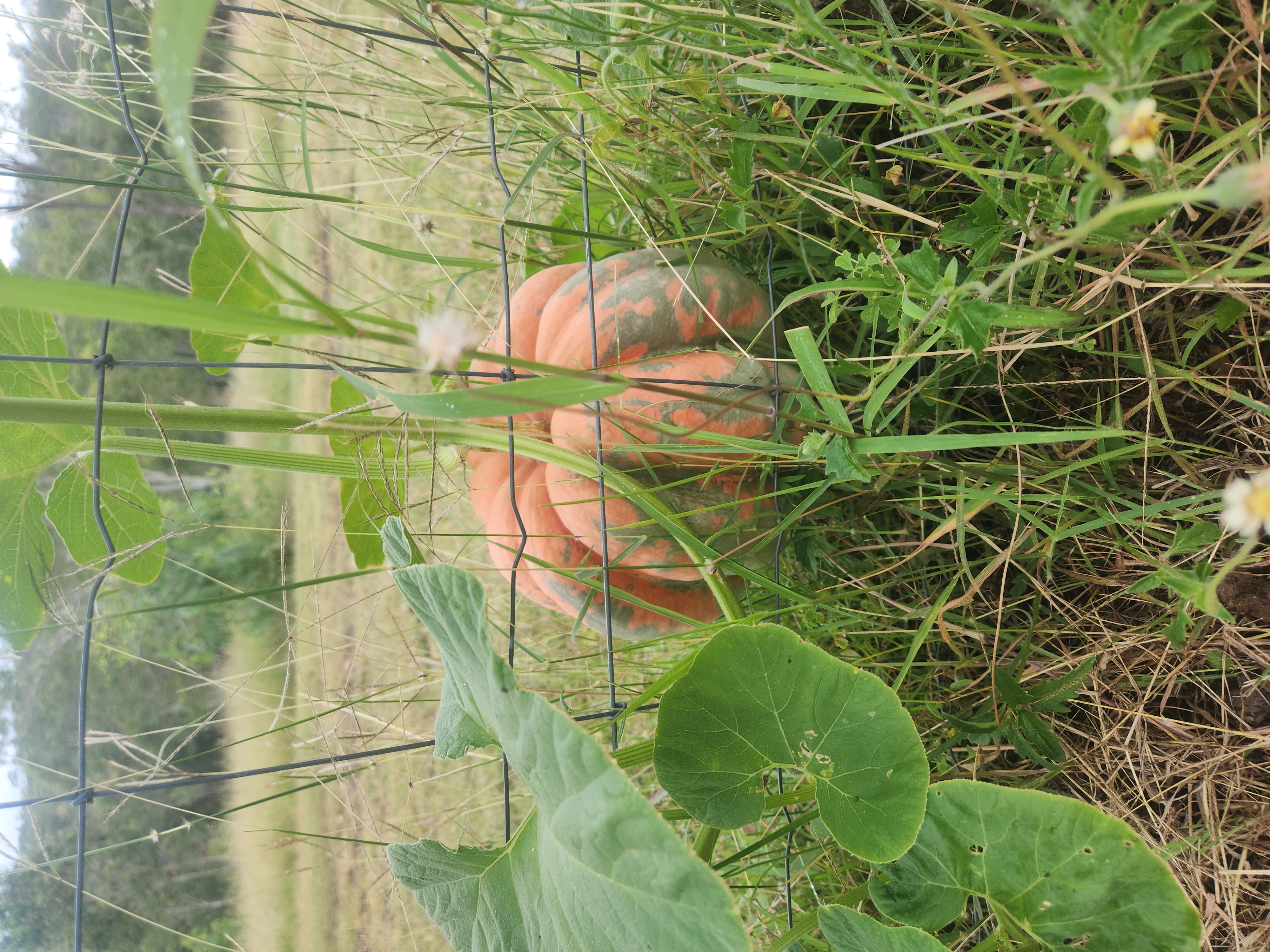
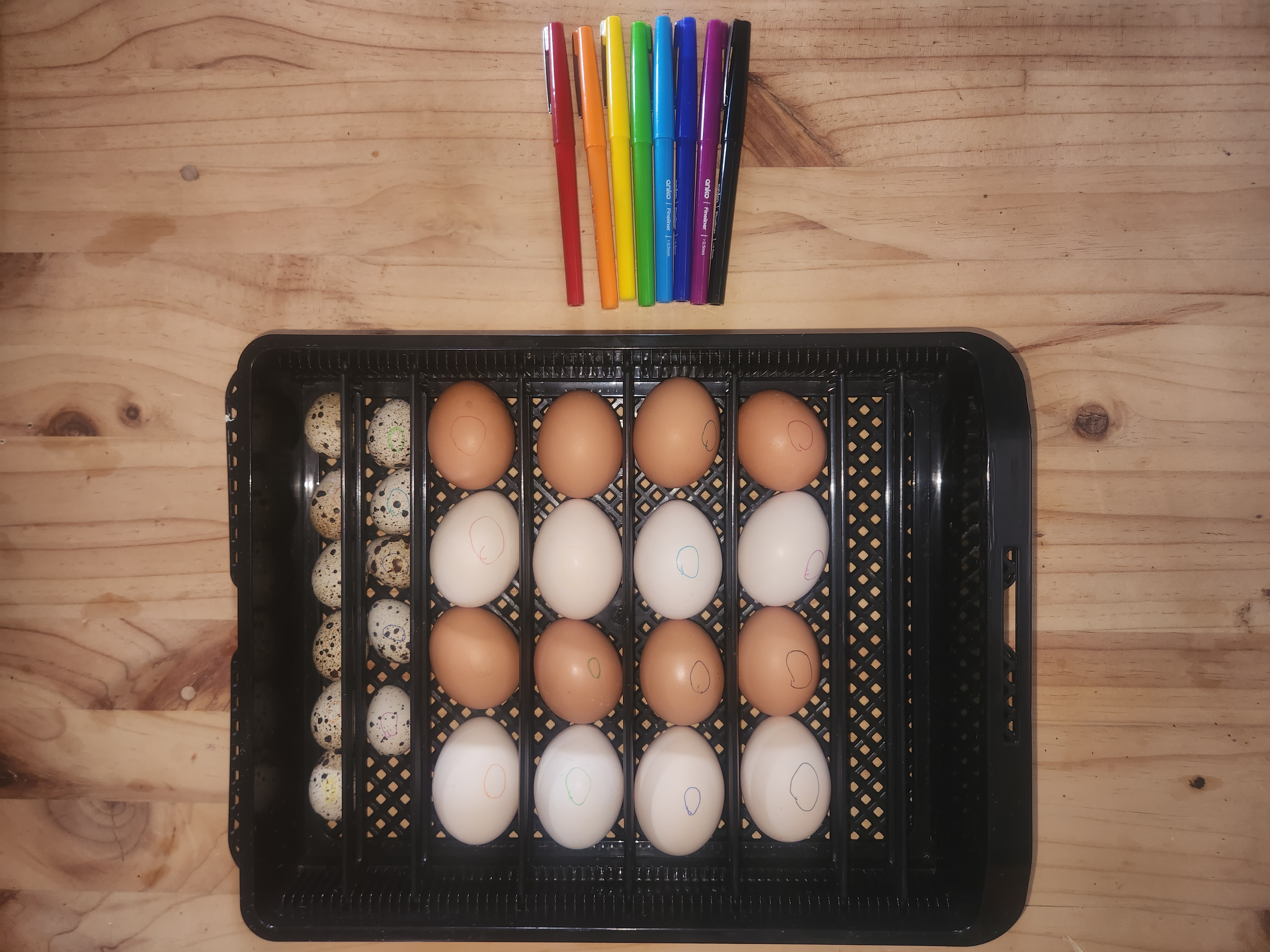
It’s taught me that solar is only as good as the batteries that store it. Under heavy cloud, we still fall back on diesel, or cook by gas and torchlight. There’s no waste service out here, so we burn our rubbish, and I know that isn’t green either. Rural households are often left choosing between options that aren’t green at all.
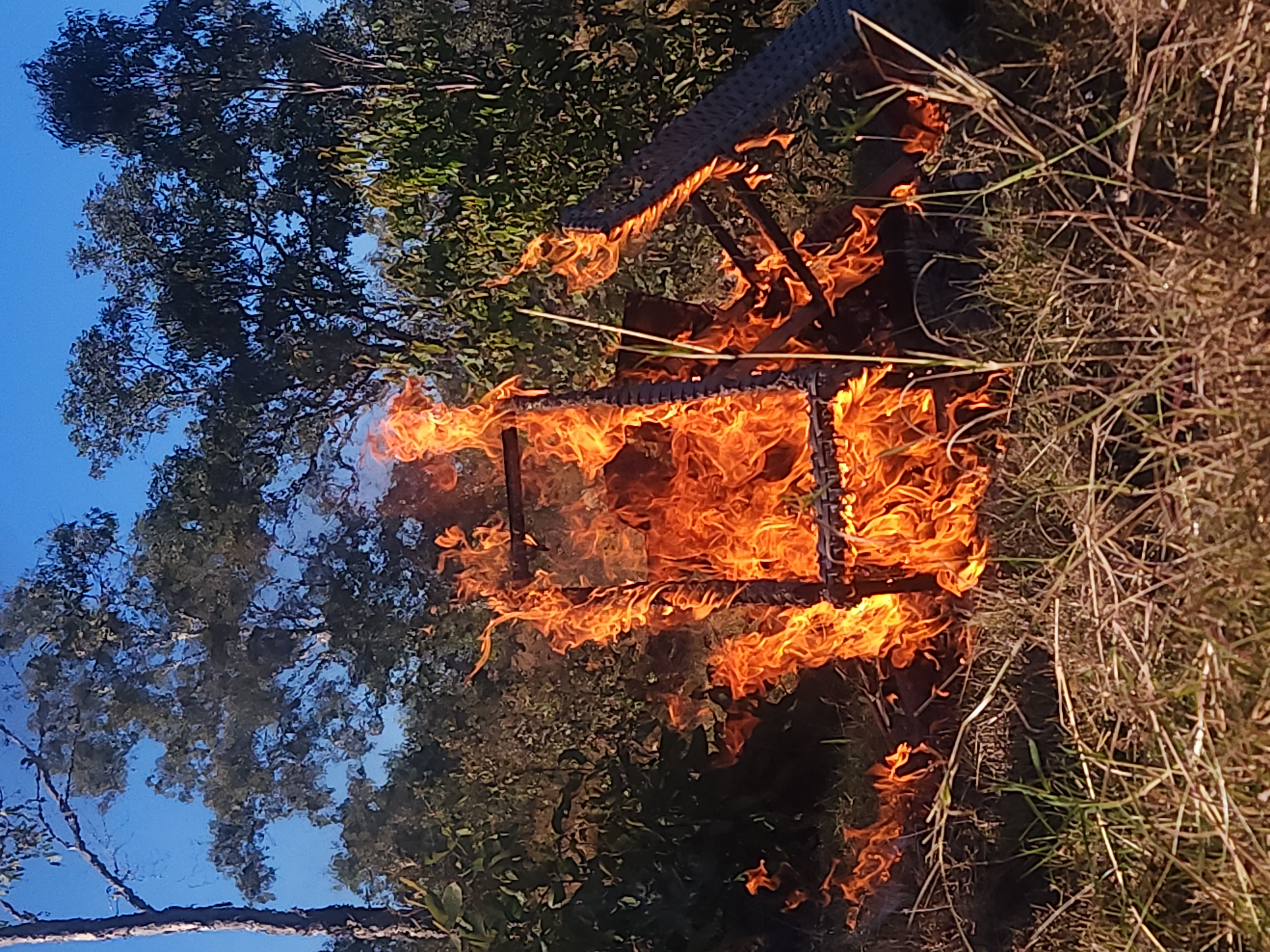
I make sacrifices in many places and let myself enjoy the comforts in others. And I don’t buy the line "what’s the point if no one else is doing anything?" Personal responsibility is a choice. I’d rather go first than wait for someone else to stand up.
And we talked about money. Rach shared her idea for a digital commons, a practical way to live a gift economy. Picture an online network where you list the skills and services you can offer, and the ones you need. People who want a fairer spread of power and wealth could register and exchange what they have for what they need, without leaning on a system that puts profit before people. I’ve only heard it in its earliest, most conceptual form, and my synapses were firing the whole time. It feels like radical spiritual activism, and I can’t wait to explore it more deeply together through Kōkiri Rising.
That’s the Student at her most alive. She doesn’t need to have it all figured out before she steps in. She just needs to stay curious, intentional and connected.
Where Dancing with the Shadows began
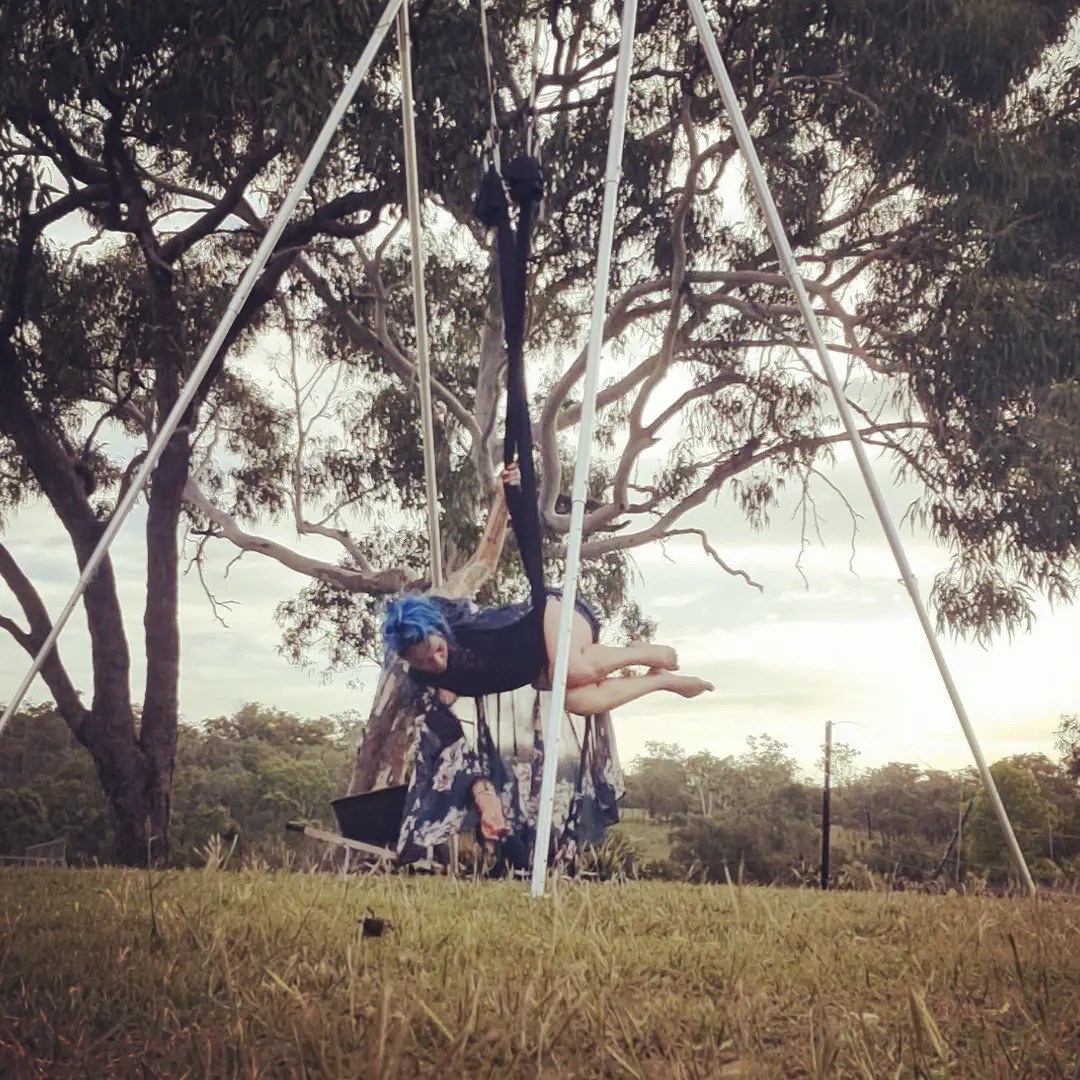
Long before I had words for it, I was dancing with my shadows. Nobody taught me. My body simply knew to move what my mind couldn’t untangle.
Years later, I found that same thread woven right through my studies, first in the intuitive sciences and then in aerial yoga. What I’d been doing on instinct had a lineage, a language and a practice behind it. The Student in me lit up all over again.
Then life brought me out to rural Queensland, far from family and friends. As much as I love this land, the isolation was real. I needed community. I needed women to move with, learn with and be witnessed by.
That’s where Dancing with the Shadows first grew from. It began in person, as a small circle of women, born from my own need to learn in community and to stop doing the deep work alone.
At the very last class we held, I told the women I’d be going straight from our circle to a meeting at the school about my children being bullied. I shared how tired I was of not being able to protect them. I also shared about the police officer I’d given my statement to about the violence I’d experienced in the past, violence my children had witnessed. I told them about the apathy in her eyes as she looked back at me and said there was nothing they could do to help. And I told them how much I hoped that one day, she might step into a class like ours.
That was the last class. After what happened at the school, I became afraid of my own community, and I went into hiding. It fed an old belief I’ve carried for a long time: when I’m in service, I’m crucified. So I stayed hidden.
Bringing Dancing with the Shadows back is me stepping out of that hiding. This time the circle is online, so women anywhere can join, however isolated they are. And this time I’m not waiting until it feels safe. I’m dancing with that belief, right out in the open.
All of this sits beside one more question: who are the students I’m calling into my classes? They’re the women who were told to sit still, be quiet, do what they’re told and fit in the box. They might not call themselves spiritual activists yet. My hope is that they’ll come to see themselves that way, because what we do on the mat is a spiritual activist choice. We’re defying a system that would have us fit a box and deplete us by design, and we’re choosing to dance anyway.
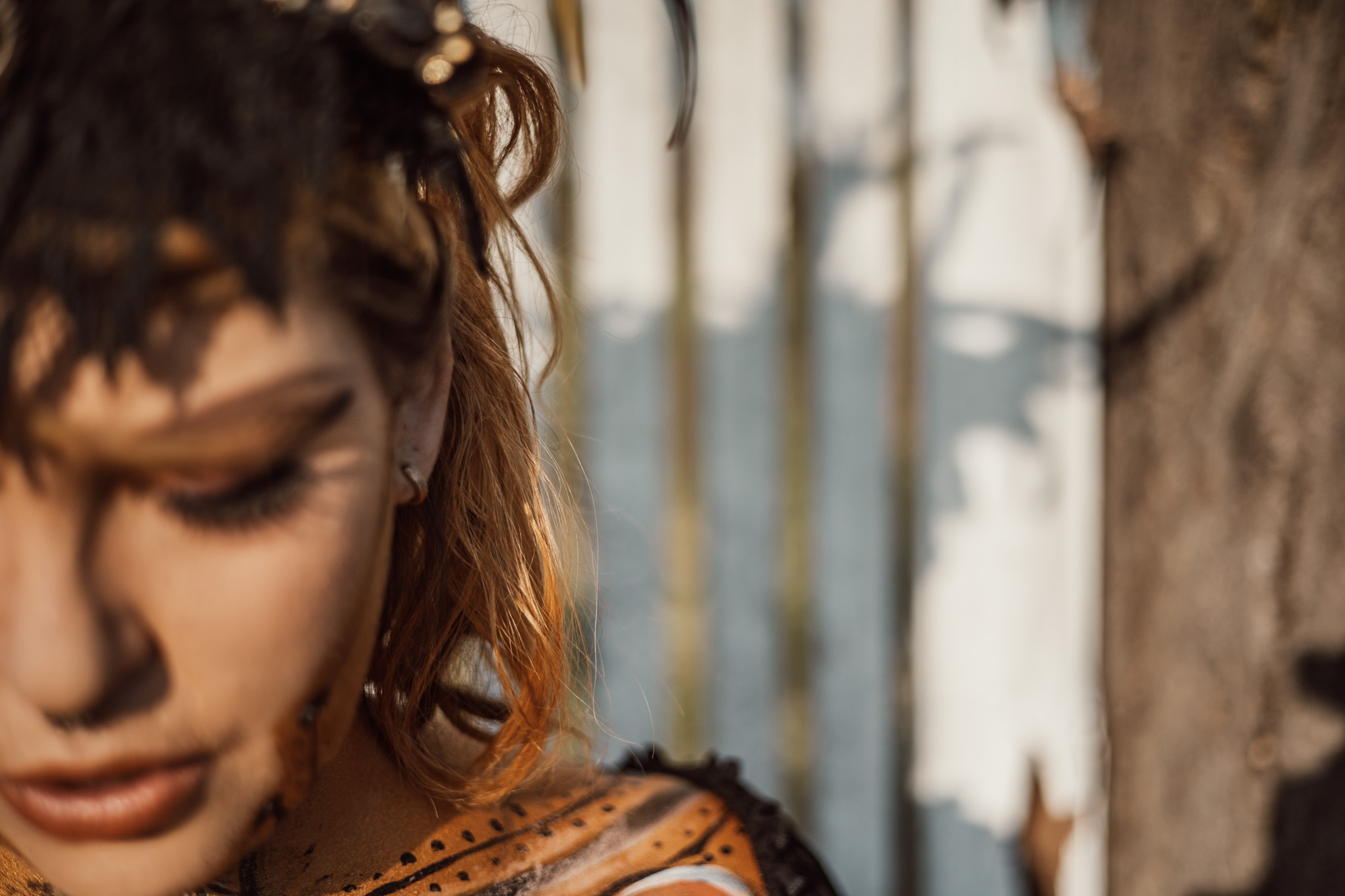
Five ways to meet the Student this season
- Ask the question you were never allowed to ask. Write it down. Then go looking for answers from more than one direction, especially the ones you’ve been told to dismiss.
- Read the other side. Choose something you feel certain about and seek out the strongest case against it. Notice what your body does as you read.
- Qualify yourself. Write your own certificate. Name what you know, what you’ve lived and what you’ve learned the hard way, and sign it.
- Put a stumble out front. Pick one recent mistake and share it with someone you trust. Ask what worked, what didn’t and what you’d try next. Let it be a baseline, not a verdict.
- Find your study circle. Share something you’re learning with one person, and let their questions sharpen yours.
Dance with the Student
Dancing with the Shadows is my weekly online class, where we meet the shadow in the body through intuitive movement, shadow work and somatic practice. We meet online on Tuesdays across Term 1, starting 2 February, and you’ll carry home the whole Devoted collection of 13 workbooks, the Student’s included.
Early bird places are open.
Still learning, right beside you,
Kia
